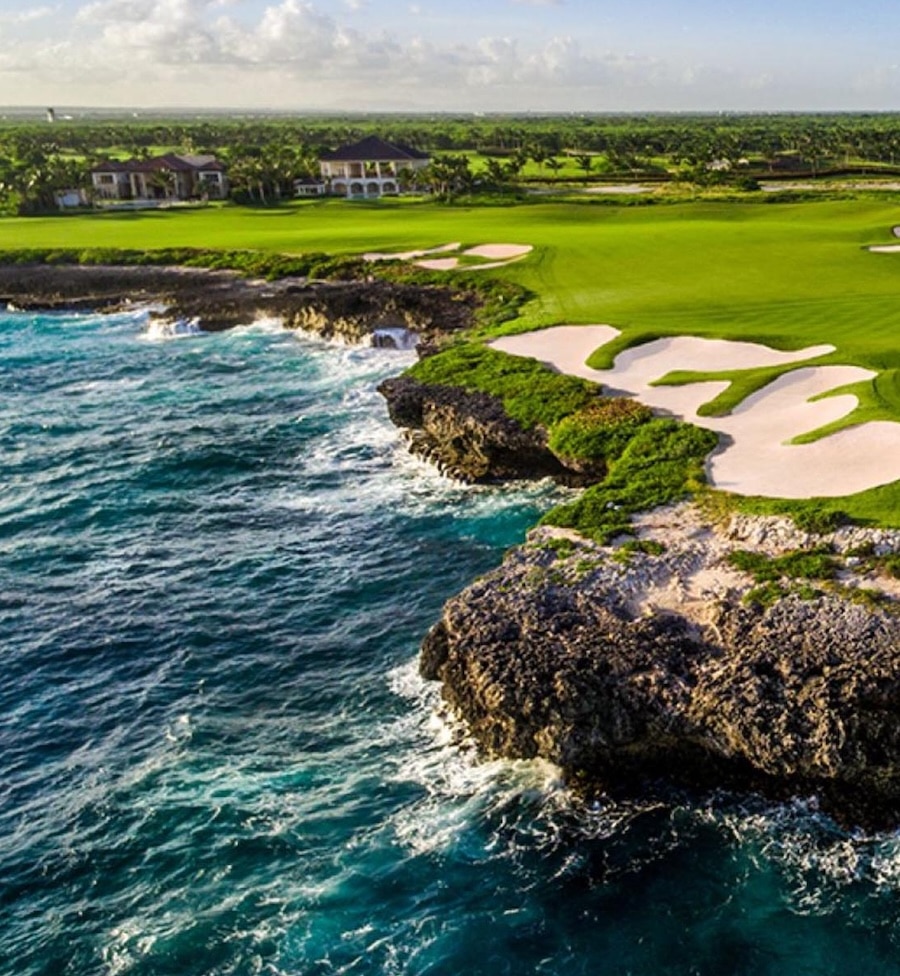
| Hole 16 (Arrecife Par-4, approx. 470 yd from tips) | This hole plays right along the ocean. The wind often comes into play, especially on the tee or approach. It’s long, with exposure on the ocean side. | Tee shot: be honest about driver vs. fairway wood or hybrid depending on wind. Approach: favor center of green, avoid the ocean-side lip. Sometimes lay up if wind is strong. |
| Hole 17 (Arrecife Par-4, ~410 yd) | Another with ocean on the left. The green is protected, and the visual effect of the sea can push players to take more risk than necessary. | Play the tee shot to the safer side then decide second shot based on your lie and how strong the wind is. If pin is tucked toward the ocean, you may be better laying up. |
| Hole 18 (Arrecife Par-5, approx. 565 yd) | Finishing hole of the “ocean stretch.” Ocean plays along left side. It’s long, with risk/reward: going for the green in two is tempting but requires excellent execution; going for more conservative setup is safer. | If trying to reach in two, be sure you have enough carry and favorable lie — consider hazards and wind. If not, play smart, lay up, and try for birdie or bogey. Strong par is good here. |
| Hole 5 (Arrecife Par-3, ~239 yd) | It’s a long par-3. The green is hidden behind dunes/mounding, which makes club selection tricky. There’s risk of being blocked or having bad angles depending on tee position. | Don’t try to fly it too far if wind is into you. Maybe aim for a safer part of the green rather than go pin-hunting. The walk-up can expose miss shots because of uneven ground around the green. |
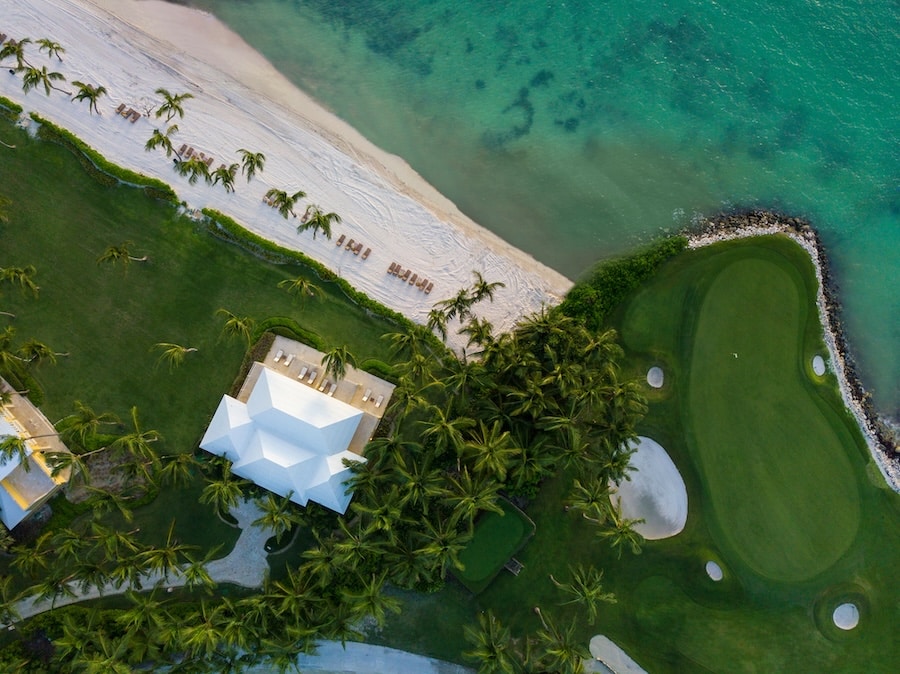
| Hole 3 (Arrecife Par-3, ~146 yd) | Though shorter, this is a very visual hole with an “island-green” feel surrounded by sand or hazards front/side. Precision matters more than power here. | Use the wind gauge carefully. Even small miscalculations will get punished. If pin is tucked, try to land softly. |